Buy dg-solutions.eu ?
We are moving the project
dg-solutions.eu .
Are you interested in purchasing the domain
dg-solutions.eu ?
domain@kv-gmbh.de · 0541-91531010
Buy dg-solutions.eu ?
Are the potassium ion channels always open?
No, potassium ion channels are not always open. These channels can be either open or closed, depending on the conditions and signals in the cell. The opening and closing of potassium ion channels are regulated by various factors, including changes in membrane potential, intracellular signaling molecules, and the presence of specific ligands. This regulation allows the cell to control the flow of potassium ions and maintain proper electrical and chemical balance. **
Why do the sodium ion channels open first and then the potassium ion channels during the action potential?
Sodium ion channels open first during the action potential because they have a lower threshold for activation compared to potassium ion channels. This means that they are more sensitive to changes in membrane potential and will open more quickly in response to a depolarization. Once the sodium ion channels open and sodium rushes into the cell, causing depolarization, the potassium ion channels then open to repolarize the cell by allowing potassium to leave the cell. This sequential opening of ion channels allows for the rapid and coordinated changes in membrane potential that underlie the action potential. **

Similar search terms for Ion channels
Top-Angebote
Products related to Ion channels:
-
Ion ion 24K Metal And Mineral Neutralizing SprayIon® 24K Metal & Mineral Neutralizing Spray is a treatment for color-treated hair that acts as a hair color primer, helping reduce mineral and metal buildup caused by hard water and environmental exposure. This lightweight spray reduces the dulling...32,99 $*Shipping: 0,00 $Secure redirect to the provider
-
Ion ion 24K Rapid Recovery Peptide Leave-In Hair TreatmentIon® 24K Rapid Recovery Peptide Leave-In Hair Treatment is a lightweight, fast-absorbing leave-in designed to reverse damage from root to tip. Powered by amino peptides for strong hair, this scientifically advanced formula helps maintain nearly 69%...28,99 $*Shipping: 0,00 $Secure redirect to the provider
-
Ion Magnesium Blow DryerThis cutting-edge blow dryer is a revolutionary advancement in heat styling technology. This next-generation tool boasts rapid heat-up capabilities, ensuring a consistent and stable temperature for effortless and uniform styling. Infused with...84,99 $*Shipping: 0,00 $Secure redirect to the provider
-
Ion Magnesium Curling Ironion Magnesium Curling Iron is part of the next generation of heat styling. The 1 Inch barrel heats fast, maintains a stable temperature and leaves hair looking and feeling healthier, shiny and softer hair with the combination of Magnesium and...47,99 $*Shipping: 0,00 $Secure redirect to the provider




-
Have you not found any solutions for ion formation?
Yes, there are several methods for ion formation, such as electrospray ionization (ESI) and matrix-assisted laser desorption/ionization (MALDI). These techniques are commonly used in mass spectrometry to generate ions from analytes for analysis. Researchers continue to explore and develop new ionization methods to improve sensitivity, selectivity, and overall performance in mass spectrometry applications. **
-
How to determine the ion concentration in salt solutions?
The ion concentration in salt solutions can be determined using various methods, such as ion-selective electrodes, conductivity measurements, and titration. Ion-selective electrodes are devices that can measure the concentration of specific ions in a solution by generating a voltage proportional to the ion concentration. Conductivity measurements can also be used to indirectly determine ion concentration, as the conductivity of a solution is directly related to the concentration of ions present. Additionally, titration can be used to determine the ion concentration by adding a titrant solution of known concentration to the salt solution until the reaction is complete, allowing for the calculation of the ion concentration based on the volume of titrant used. **
-
What are the differences of the sodium ion channels?
Sodium ion channels are membrane proteins that allow the passage of sodium ions across the cell membrane. There are several types of sodium ion channels, including voltage-gated sodium channels, ligand-gated sodium channels, and leak sodium channels. Voltage-gated sodium channels open in response to changes in membrane potential, allowing sodium ions to flow into the cell. Ligand-gated sodium channels open in response to the binding of specific molecules, such as neurotransmitters, allowing sodium ions to enter the cell. Leak sodium channels, on the other hand, are always open and allow a small, constant flow of sodium ions into the cell. Each type of sodium ion channel has different mechanisms of activation and regulation, and they play distinct roles in the function of excitable cells such as neurons and muscle cells. **
-
What is the significance of voltage-gated sodium ion channels?
Voltage-gated sodium ion channels play a crucial role in the generation and propagation of action potentials in neurons and muscle cells. These channels open in response to changes in membrane potential, allowing sodium ions to flow into the cell and depolarize the membrane. This rapid depolarization is essential for the transmission of electrical signals along the cell membrane. Dysfunction of voltage-gated sodium ion channels can lead to various neurological and muscular disorders. **


What happens during the action potential when the Na+ ion channels are blocked?
When the Na+ ion channels are blocked, the influx of sodium ions into the cell is prevented. This results in the cell membrane being unable to depolarize properly, leading to a decrease in the amplitude of the action potential. As a result, the transmission of the electrical signal along the neuron is disrupted, affecting communication between neurons. This can lead to impaired nerve function and communication within the nervous system. **
Why are some voltage-gated sodium ion channels opened starting from the resting potential?
Voltage-gated sodium ion channels are opened starting from the resting potential because they are sensitive to changes in membrane potential. When the membrane potential becomes more positive, it triggers a conformational change in the channel protein, leading to its opening. This allows sodium ions to flow into the cell, depolarizing the membrane and initiating an action potential. This process is essential for the transmission of electrical signals in neurons and muscle cells. **
Top-Angebote
Products related to Ion channels:
-
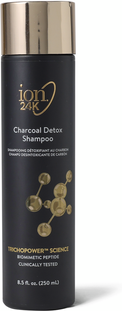
Ion ion 24K Charcoal Detox ShampooIon® 24K Charcoal Detox Shampoo is a powerful yet gentle charcoal shampoo designed to deeply cleanse hair and scalp, while repairing hair's keratin chain. This detox shampoo helps lift impurities, odors and buildup from styling products and...20,99 $*Shipping: 0,00 $Secure redirect to the provider
-
Ion ion 24K Metal And Mineral Neutralizing SprayIon® 24K Metal & Mineral Neutralizing Spray is a treatment for color-treated hair that acts as a hair color primer, helping reduce mineral and metal buildup caused by hard water and environmental exposure. This lightweight spray reduces the dulling...32,99 $*Shipping: 0,00 $Secure redirect to the provider
-
Ion ion 24K Rapid Recovery Peptide Leave-In Hair TreatmentIon® 24K Rapid Recovery Peptide Leave-In Hair Treatment is a lightweight, fast-absorbing leave-in designed to reverse damage from root to tip. Powered by amino peptides for strong hair, this scientifically advanced formula helps maintain nearly 69%...28,99 $*Shipping: 0,00 $Secure redirect to the provider
-
Are the potassium ion channels always open?
No, potassium ion channels are not always open. These channels can be either open or closed, depending on the conditions and signals in the cell. The opening and closing of potassium ion channels are regulated by various factors, including changes in membrane potential, intracellular signaling molecules, and the presence of specific ligands. This regulation allows the cell to control the flow of potassium ions and maintain proper electrical and chemical balance. **
-
Why do the sodium ion channels open first and then the potassium ion channels during the action potential?
Sodium ion channels open first during the action potential because they have a lower threshold for activation compared to potassium ion channels. This means that they are more sensitive to changes in membrane potential and will open more quickly in response to a depolarization. Once the sodium ion channels open and sodium rushes into the cell, causing depolarization, the potassium ion channels then open to repolarize the cell by allowing potassium to leave the cell. This sequential opening of ion channels allows for the rapid and coordinated changes in membrane potential that underlie the action potential. **
-
Have you not found any solutions for ion formation?
Yes, there are several methods for ion formation, such as electrospray ionization (ESI) and matrix-assisted laser desorption/ionization (MALDI). These techniques are commonly used in mass spectrometry to generate ions from analytes for analysis. Researchers continue to explore and develop new ionization methods to improve sensitivity, selectivity, and overall performance in mass spectrometry applications. **
-
How to determine the ion concentration in salt solutions?
The ion concentration in salt solutions can be determined using various methods, such as ion-selective electrodes, conductivity measurements, and titration. Ion-selective electrodes are devices that can measure the concentration of specific ions in a solution by generating a voltage proportional to the ion concentration. Conductivity measurements can also be used to indirectly determine ion concentration, as the conductivity of a solution is directly related to the concentration of ions present. Additionally, titration can be used to determine the ion concentration by adding a titrant solution of known concentration to the salt solution until the reaction is complete, allowing for the calculation of the ion concentration based on the volume of titrant used. **
Similar search terms for Ion channels
-
Ion Magnesium Blow DryerThis cutting-edge blow dryer is a revolutionary advancement in heat styling technology. This next-generation tool boasts rapid heat-up capabilities, ensuring a consistent and stable temperature for effortless and uniform styling. Infused with...84,99 $*Shipping: 0,00 $Secure redirect to the provider
-
Ion Magnesium Curling Ironion Magnesium Curling Iron is part of the next generation of heat styling. The 1 Inch barrel heats fast, maintains a stable temperature and leaves hair looking and feeling healthier, shiny and softer hair with the combination of Magnesium and...47,99 $*Shipping: 0,00 $Secure redirect to the provider
-
Lifestyle Solutions Napa LoveseatThe Napa Loveseat is designed not only to fit your space but also your style. The classic design and modern lines not only offer style but comfort. A hardwood frames offers sturdy support for everyday living.308,34 $*Shipping: 0,00 $Secure redirect to the provider
-
What are the differences of the sodium ion channels?
Sodium ion channels are membrane proteins that allow the passage of sodium ions across the cell membrane. There are several types of sodium ion channels, including voltage-gated sodium channels, ligand-gated sodium channels, and leak sodium channels. Voltage-gated sodium channels open in response to changes in membrane potential, allowing sodium ions to flow into the cell. Ligand-gated sodium channels open in response to the binding of specific molecules, such as neurotransmitters, allowing sodium ions to enter the cell. Leak sodium channels, on the other hand, are always open and allow a small, constant flow of sodium ions into the cell. Each type of sodium ion channel has different mechanisms of activation and regulation, and they play distinct roles in the function of excitable cells such as neurons and muscle cells. **
-
What is the significance of voltage-gated sodium ion channels?
Voltage-gated sodium ion channels play a crucial role in the generation and propagation of action potentials in neurons and muscle cells. These channels open in response to changes in membrane potential, allowing sodium ions to flow into the cell and depolarize the membrane. This rapid depolarization is essential for the transmission of electrical signals along the cell membrane. Dysfunction of voltage-gated sodium ion channels can lead to various neurological and muscular disorders. **
-
What happens during the action potential when the Na+ ion channels are blocked?
When the Na+ ion channels are blocked, the influx of sodium ions into the cell is prevented. This results in the cell membrane being unable to depolarize properly, leading to a decrease in the amplitude of the action potential. As a result, the transmission of the electrical signal along the neuron is disrupted, affecting communication between neurons. This can lead to impaired nerve function and communication within the nervous system. **
-
Why are some voltage-gated sodium ion channels opened starting from the resting potential?
Voltage-gated sodium ion channels are opened starting from the resting potential because they are sensitive to changes in membrane potential. When the membrane potential becomes more positive, it triggers a conformational change in the channel protein, leading to its opening. This allows sodium ions to flow into the cell, depolarizing the membrane and initiating an action potential. This process is essential for the transmission of electrical signals in neurons and muscle cells. **
* All prices are inclusive of VAT and, if applicable, plus shipping costs. The offer information is based on the details provided by the respective shop and is updated through automated processes. Real-time updates do not occur, so deviations can occur in individual cases. ** Note: Parts of this content were created by AI.